Build a node
Know the rules. These radios need no license, but the FCC still sets limits on frequency, power and antennas. Read the short version before you transmit.
A node in the right spot does more for the network than any upgrade you can buy. Here is how to choose, place and power one, including what Minnesota weather will throw at it.
Choose your hardware
- Buy the 915 MHz version. That is the US band. 868 MHz and 433 MHz versions are for other countries.
- Check it is supported by the software you plan to run. Each project keeps a list.
- Battery life: boards built on nRF52 chips (such as RAK WisBlock) sip power and suit solar. ESP32 boards (such as Heltec) are cheap and capable but use more power, especially with Wi-Fi or a bright screen.
- Screen or not: a screen is handy for status and pairing PINs; a screenless node saves power.
Our picks are on the Gear page.
Antennas
- Never power a radio without an antenna. It can damage the radio.
- Match the band and the connector. Look for a 915 MHz antenna with the right plug (often SMA or IPEX).
- Vertical is best. Mount the antenna pointing straight up or down, the same way as everyone else’s.
- Gain is a trade-off. A higher-gain antenna squeezes signal toward the horizon. FCC limits assume a modest antenna, so read the rules before going big.
- Keep the cable short. Long, thin coax loses a lot of signal at 915 MHz.
Placement
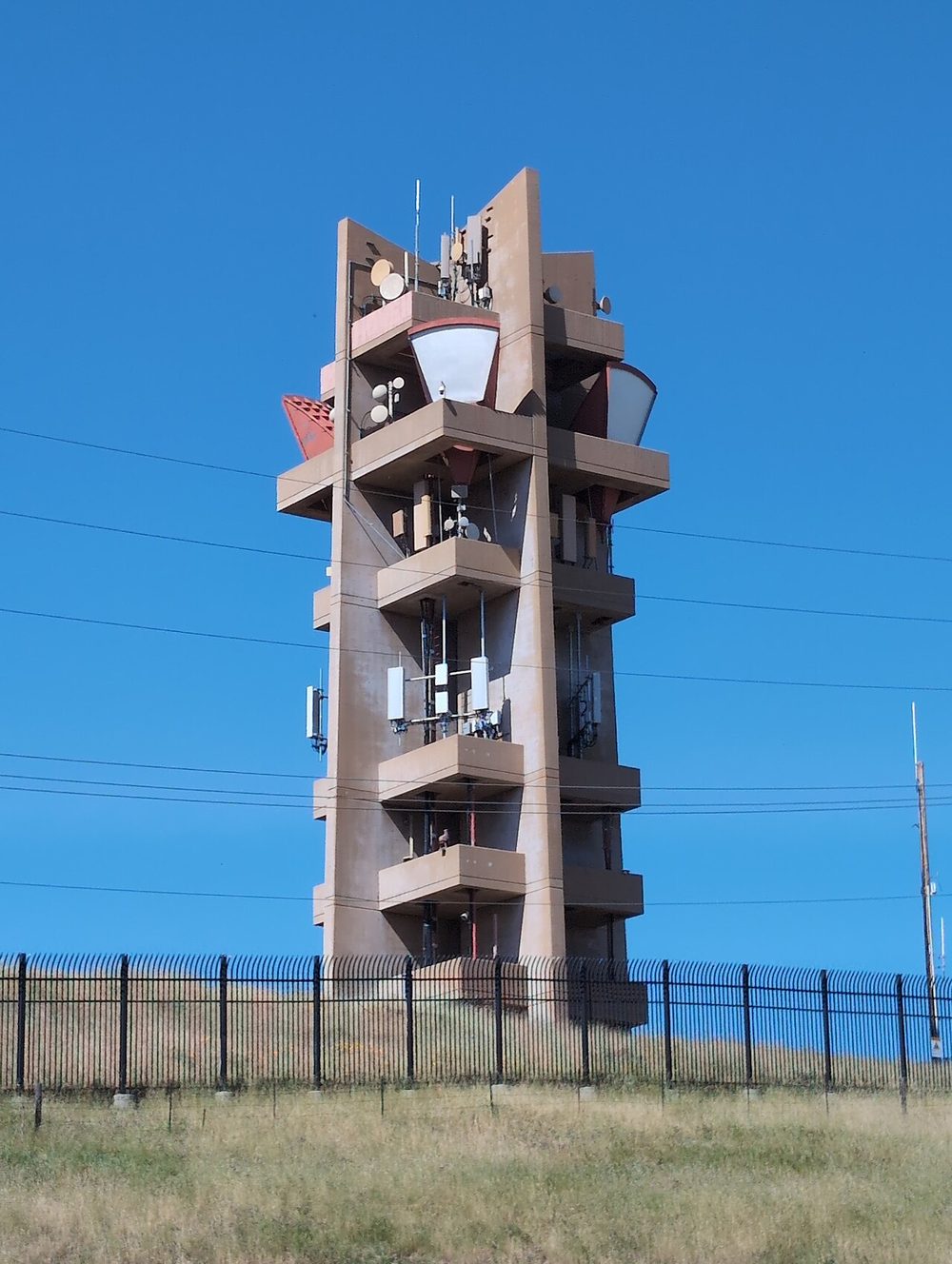
- Go up. An attic, top-floor window, roof or mast beats any upgrade. Every floor helps.
- Find a clear view toward the rest of the city. Brick walls, metal siding and foil-backed insulation block signal.
- Think about the terrain. In Saint Paul, the bluffs and river valley shadow some areas. A node that can see over them helps everyone.
- Test before you mount. Check which nodes you hear from the spot before you drill holes.
Power and solar
- Indoors: a USB charger plus a small battery as a backup during outages is simple and reliable.
- Outdoors: a small solar panel and a battery pack can run a low-power node year-round. Size for winter, when days are short and panels may be under snow.
- Use a charge controller designed for your battery type. Most boards with solar inputs include one; check before connecting.
- Label it. A short note with contact information inside the enclosure helps if someone finds it.
Minnesota weather
- Cold charging: most lithium batteries should not be charged below freezing (32 °F / 0 °C). Choose a battery and charger rated for cold, or keep the battery somewhere warmer.
- Condensation: sealed boxes trap moisture that freezes and thaws. A breathable vent and a desiccant pack help.
- Snow and ice: mount panels steeply so snow slides off, and make sure masts can handle ice and wind.
- Summer heat: a dark box in full sun gets hot. Light-colored enclosures and a little shade help batteries last.
Safety first
- Stay well away from power lines when placing masts and antennas, including while carrying them.
- Roof and tower work is dangerous. Use proper fall protection, or hire a professional.
- Outdoor masts may need grounding and lightning protection. Check local codes, your landlord or HOA, and get expert help if you are unsure.
- Get permission before putting a node on property you do not own.